Sustainable Cocoa Sourcing Landscapes 2.0
What is the main objective of the project?
The project aims to achieve sustainably managed, deforestation-free landscapes, fostering improved competitiveness and diversified, climate-resilient cocoa production systems and livelihoods of the local population. In addition, the project addresses issues like deforestation and cross-contamination of cocoa and other agricultural commodities with agrochemicals. This requires collaboration between local, regional and national stakeholders at the farm and the landscape levels. For this reason, the work with the local stakeholders and support of the technical cocoa regional roundtable is relevant. A diverse group of partners, including cocoa exporters, cooperatives, and specialized organizations, have joined forces to take the challenges identified and work towards a sustainable and deforestation-free landscape.
How will the project contribute to sustainable cocoa production, in alignment with the goals defined in the SWISSCO Roadmap 2030?
The project focuses on these target areas: living income, agroforestry system, traceability, and productivity. By doing so, it aims to foster in a sustainable way using a climate-smart approach. The project supports the transition to deforestation-free cocoa production methods through the dissemination of validated good practices - with a special emphasis on avoiding chemical contamination. With that, promote the cocoa producers competitive.
What steps are taken during the project?
The project operates under two approaches. The first is to consolidate governance for the sustainability of interventions. To this end, efforts are underway to strengthen technical cocoa regional roundtable and its coordination with the San Martín regional government. The second is direct intervention with cocoa cooperatives to promote sustainable cultivation practices, including agroforestry systems, organic production, and the use of digital alternatives that contribute to compliance with international standards.
During the project, agroforestry systems are promoted using different methodologies, one of which is Dynamic Agroforestry (DAF), while another is a conventional agroforestry system with a market-oriented approach.
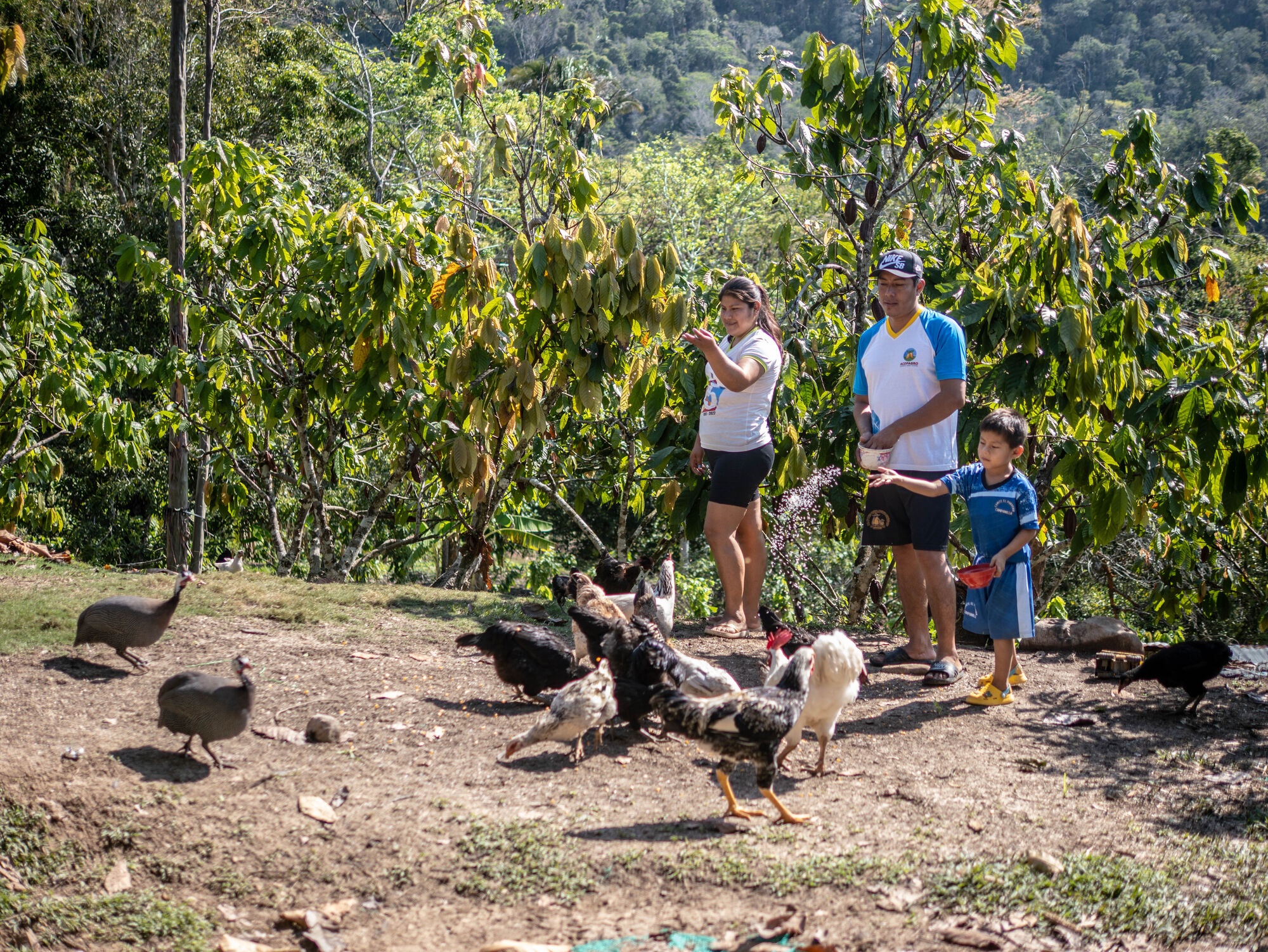
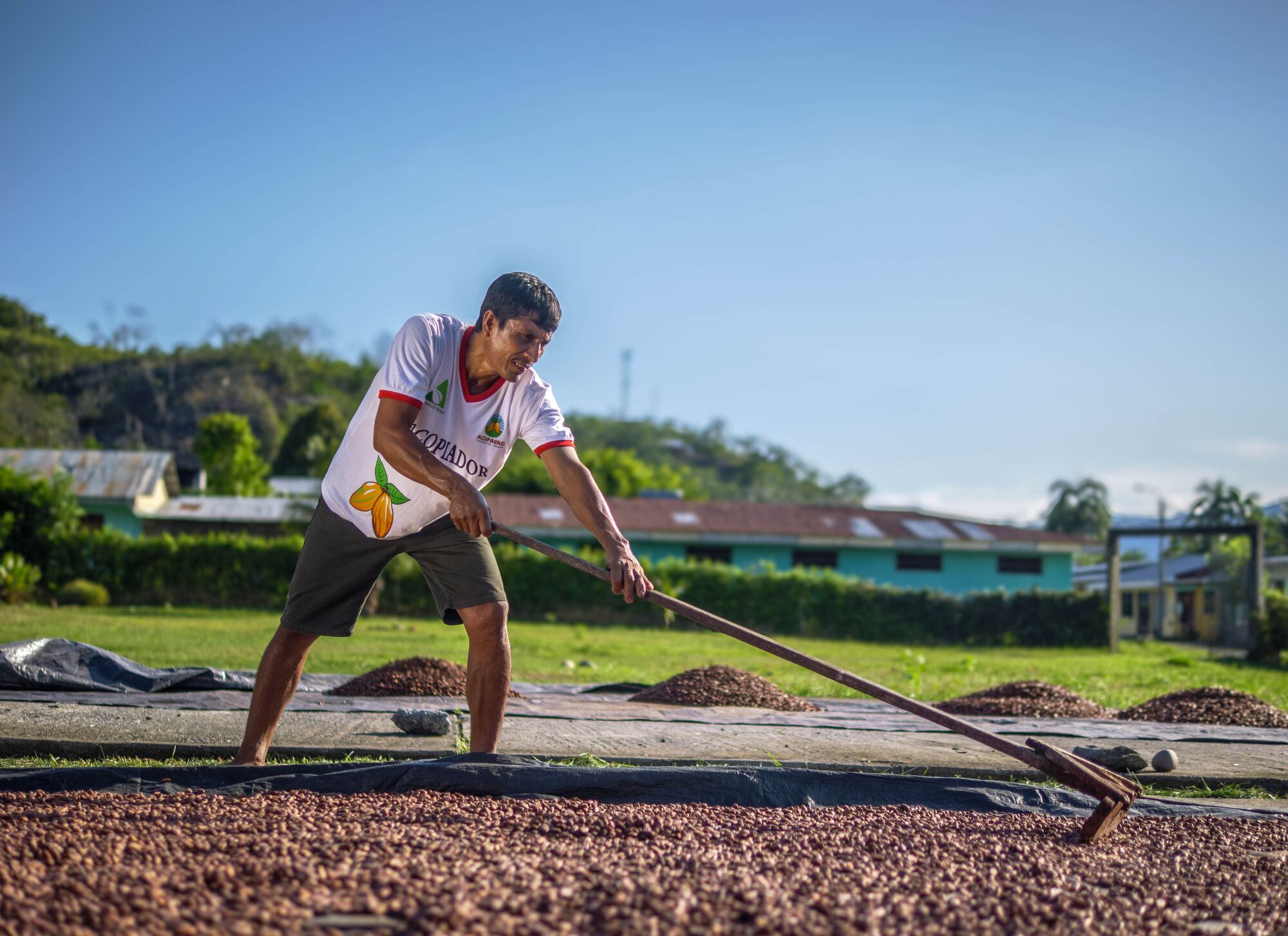
Farmers are expected to enhance both productivity and sales by adopting sustainable, economically viable, and climate-resilient production systems that do not lead to deforestation. Photo: SWISSCO/Lenin Quevedo
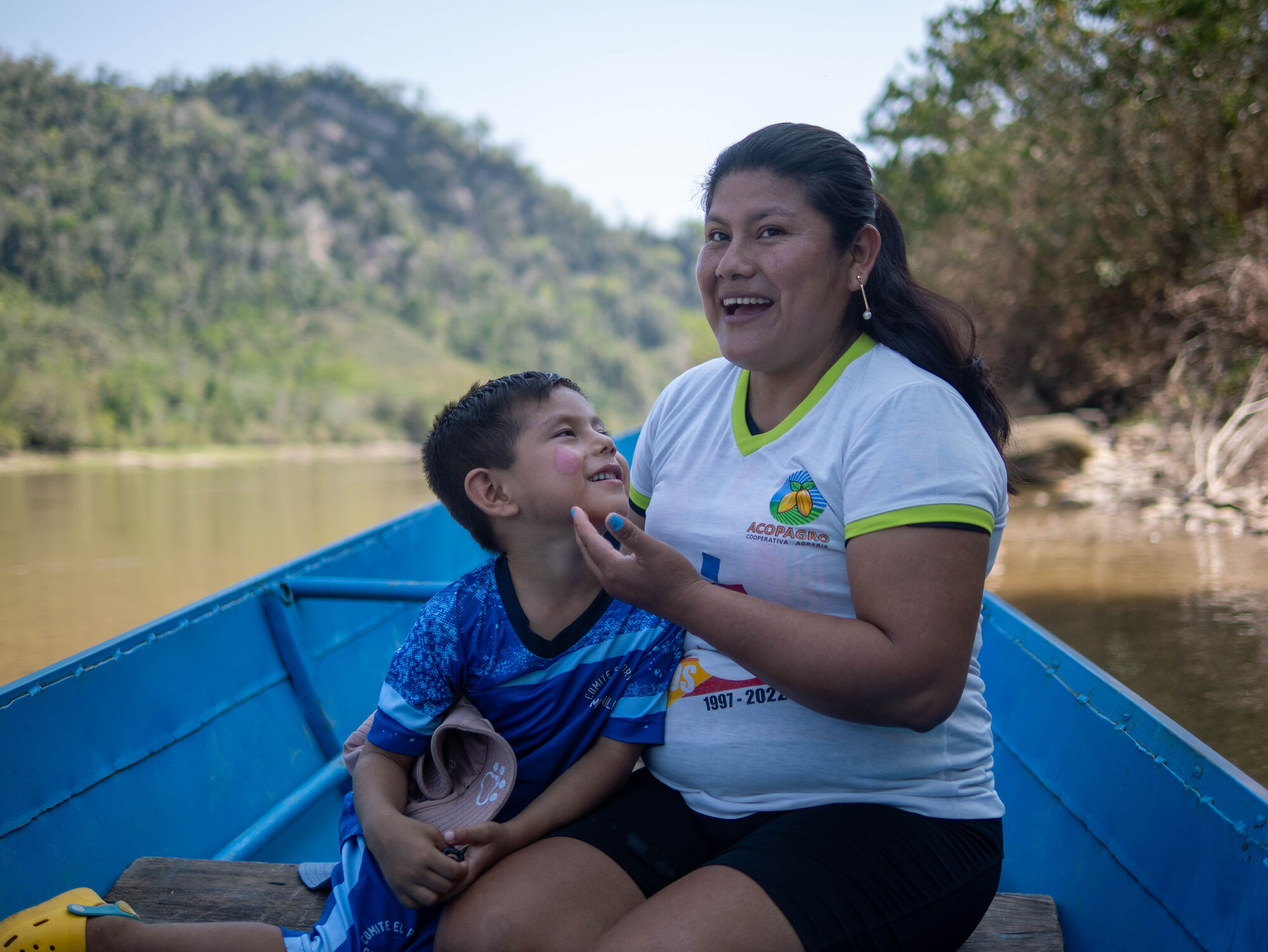
Stakeholders from public, private, and community sectors will collaboratively manage the cocoa sourcing landscape. Photo: SWISSCO/Lenin Quevedo

A diverse group of partners, including cocoa exporters, manufacturers, cooperatives, and specialised organisations, have joined forces to tackle the challenges. Photo: SWISSCO/Lenin Quevedo

Local organisations and authorities are integral to our project's sustainable impact. Photo: SWISSCO/Lenin Quevedo
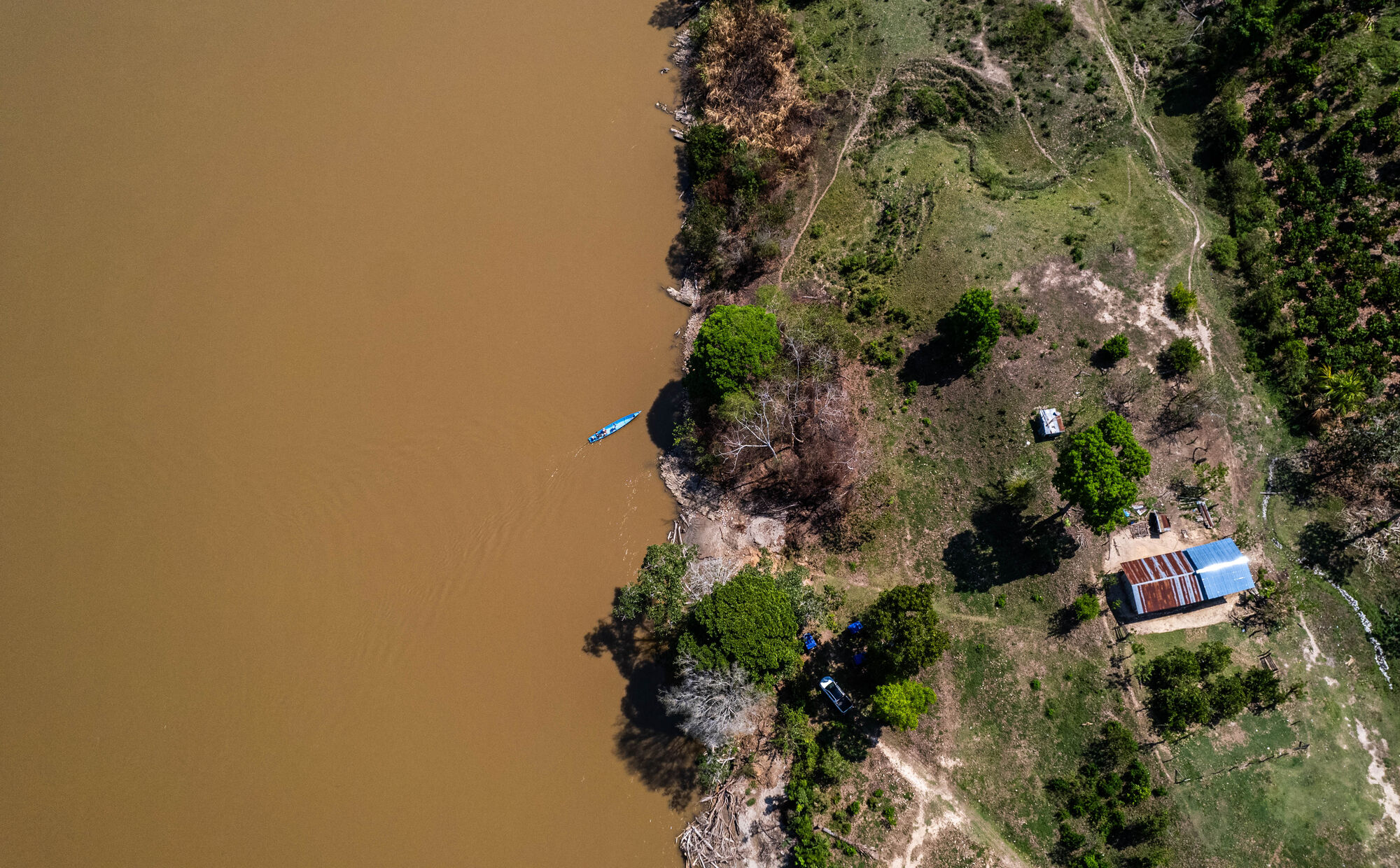
Máximo Rondan Ramos, Manager of the Asproc-NBT Tocache cooperative, says: “We feel a lot of enthusiasm and hope with this project. Before, we had not received so many Swiss visitors to our plots. Their interest sends a message that motivates us to continue farming cocoa sustainably.” Photo: SWISSCO/Lenin Quevedo
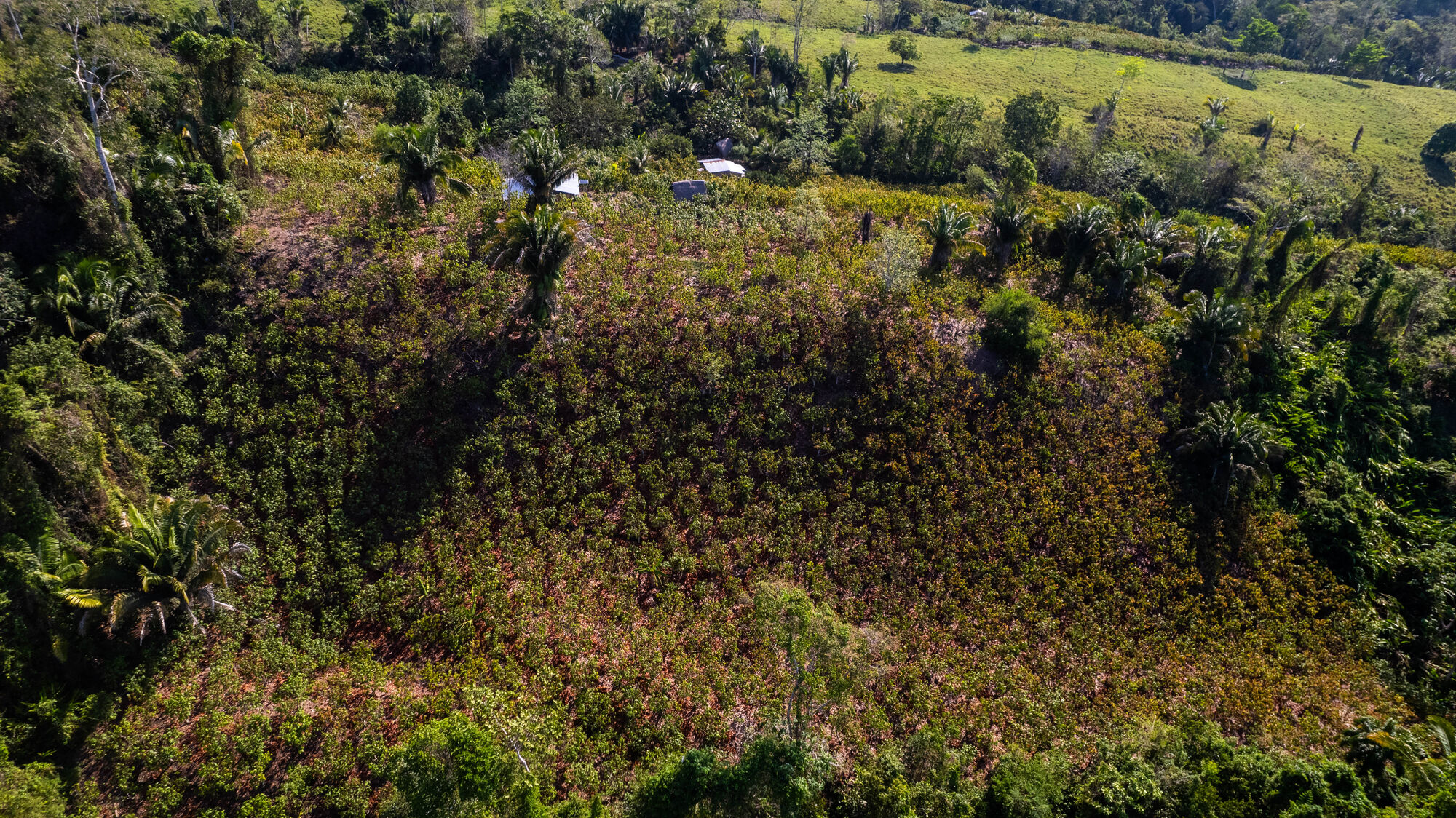
The project focuses on these target areas: living income, deforestation, traceability, and transparency. Photo: SWISSCO/Lenin Quevedo
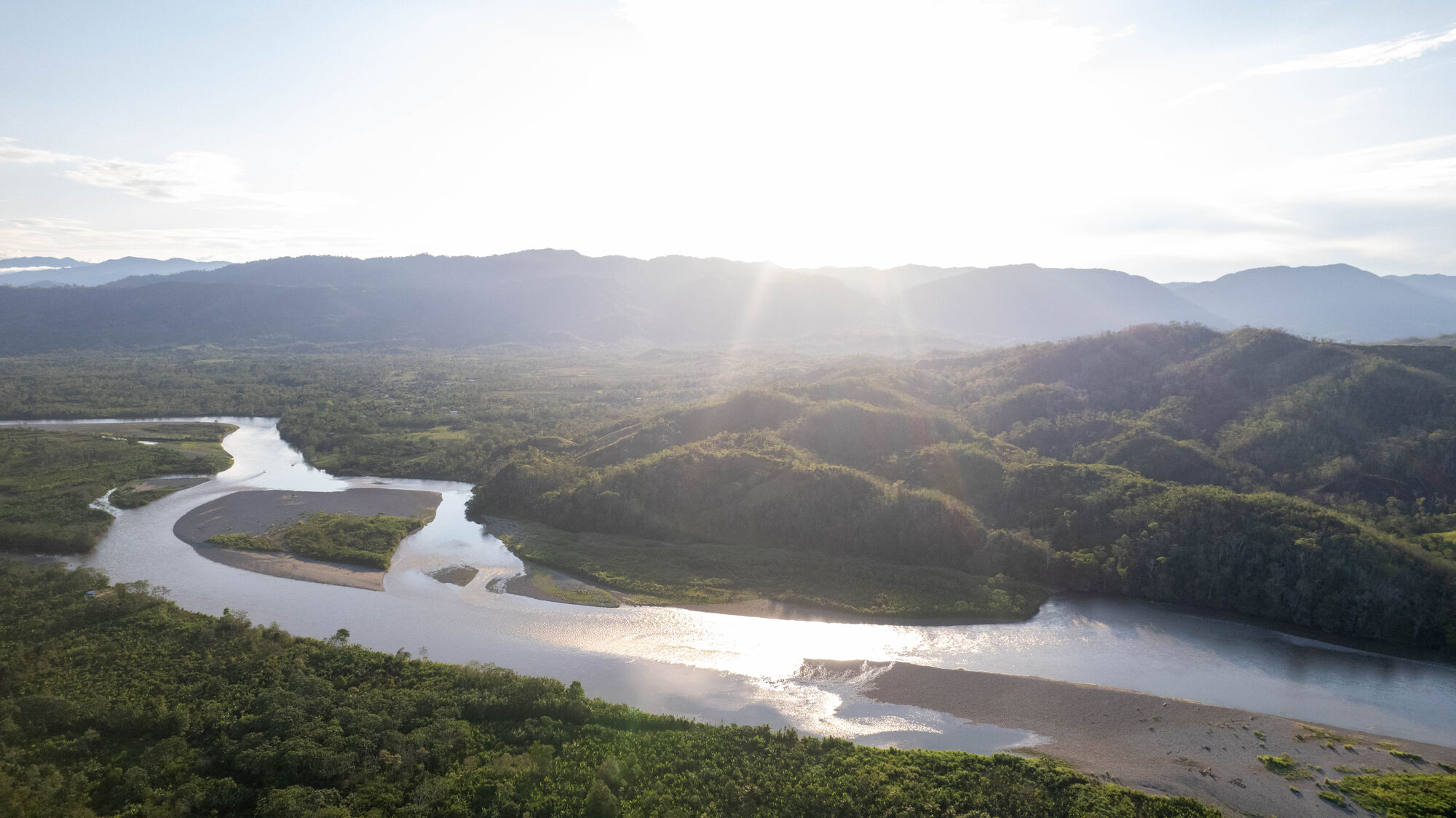
All key actors in the landscape are represented in the roundtable. Photo: SWISSCO/Lenin Quevedo
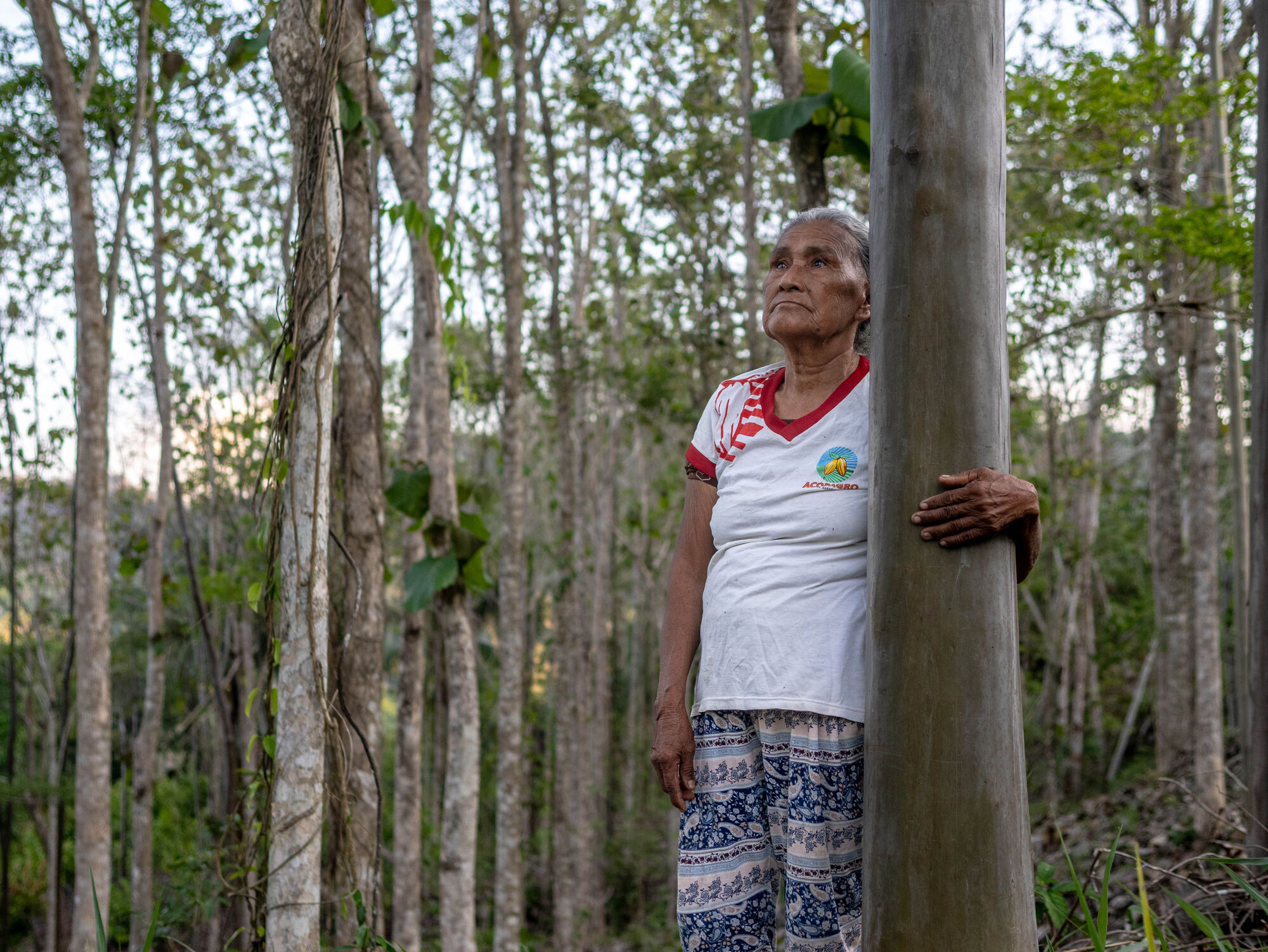
The project helps to protect the country’s forests. Photo: SWISSCO/Lenin Quevedo.
A diverse group of partners, including cocoa exporters, manufacturers, cooperatives, and specialised organisations, have joined forces to tackle the challenges. Photo: SWISSCO/Lenin Quevedo

Stakeholders from public, private, and community sectors will collaboratively manage the cocoa sourcing landscape. Photo: SWISSCO/Lenin Quevedo
How local organisations and authorities are involved in the planning, implementation, and decision-making of the project
Local organisations and authorities are integral to our project's sustainable impact. We collaborate closely with Peru’s National Cocoa Association (APPCACAO) and with the technical cocoa regional roundtable and with cooperatives representing San Martin cocoa farmers. Moreover, we engage in extensive coordination with regional and provincial governments.
Máximo Rondan Ramos, Manager of the Asproc-NBT Tocache cooperative, says: “We feel a lot of enthusiasm and hope with this project. Before, we had not received so many Swiss visitors to our plots. Their interest sends a message that motivates us to continue farming cocoa sustainably.”

This project helps consolidate multi-stakeholder articulation in San Martín, the principal cocoa-producing region in Peru. It will promote the management of the cocoa landscape to guarantee a sustainable, deforestation-free cocoa production.
What are the expected outcomes of the project?
The project anticipates three key outcomes. Firstly, stakeholders from public, private, and community sectors will collaboratively manage the cocoa sourcing landscape, guided by a joint vision emphasising green growth and zero emissions. Secondly, farmers are expected to enhance both productivity and sales by adopting sustainable, economically viable, and climate-resilient production systems that do not lead to deforestation. Thirdly, at the regional and national levels, both public and private stakeholders will recognise, and support landscape management models aimed at promoting sustainable, deforestation-free production practices.
How a lasting impact beyond the project's duration is ensured
The participation of actors from the regional government and its agencies related to agricultural production is integral to the project's interventions. A participatory dynamic will be consolidated within technical cocoa regional roundtable, from which interventions for sustainable cocoa production will be promoted beyond the project's timeframe.
Working with cooperatives will strengthen the technical capacity of each one, ensuring that the promotion of sustainable practices in cocoa production becomes a key activity recognized by field promoters and producers.
Organisations involved